Exploring Fremont East: A Rich History
Fremont East, a vibrant district located in the heart of Las Vegas, Nevada, is a unique blend of history, culture, and modernity. Known for its eclectic atmosphere, this area has transformed significantly over the years, evolving from a quiet neighborhood into a bustling hub of entertainment and creativity. The district is characterized by its rich historical roots, which date back to the 19th century, and its ongoing efforts to preserve that heritage while embracing contemporary trends.
Fremont East is not just a geographical location; it embodies the spirit of Las Vegas itself—dynamic, ever-changing, and full of surprises. The area is often recognized for its iconic neon lights, vintage architecture, and a diverse array of businesses that cater to both locals and tourists. As part of the larger Fremont Street Experience, Fremont East stands out with its unique offerings, including art installations, live music venues, and an array of dining options that reflect the multicultural fabric of the city.
This article delves into the historical evolution of Fremont East, exploring its early years, the boom of the 20th century, the challenges faced in the mid-20th century, and its remarkable revitalization in the 21st century.
Key Takeaways
- Fremont East has a rich history dating back to the 19th century and has experienced significant changes over the years.
- The 20th century saw a boom in Fremont East’s development, with the area becoming a bustling hub of activity and entertainment.
- However, the mid-20th century brought a decline to Fremont East, as urban sprawl and other factors led to a decrease in its popularity.
- The 21st century has brought about a revitalization of Fremont East, with efforts to restore its historic buildings and attract new businesses and visitors.
- Today, Fremont East is a vibrant hub of culture and entertainment, with a mix of historic landmarks and modern attractions for visitors to explore.
The Early Years: Fremont East in the 19th Century
The origins of Fremont East can be traced back to the late 1800s when Las Vegas was still a nascent settlement. Established in 1905, Las Vegas was initially a railroad town that served as a crucial stop for travelers heading to California. Fremont Street itself was named after John Frémont, an explorer and politician who played a significant role in the westward expansion of the United States.
During this period, Fremont East was primarily residential, with modest homes and small businesses catering to the needs of the local population. As the 19th century progressed, Fremont East began to develop its identity. The arrival of the railroad brought an influx of settlers and entrepreneurs eager to capitalize on the burgeoning economy.
The area saw the establishment of saloons, general stores, and other essential services that catered to both residents and transient workers. This early commercial activity laid the groundwork for what would later become a thriving business district. The architecture from this era reflected the utilitarian needs of the time, with simple structures that prioritized function over form.
The Rise of Fremont East: The 20th Century Boom

The early 20th century marked a significant turning point for Fremont East as Las Vegas experienced rapid growth fueled by various economic factors. The construction of Hoover Dam in the 1930s brought thousands of workers to the area, leading to an increased demand for housing and services. This surge in population prompted a wave of development in Fremont East, with new businesses opening their doors to cater to the growing community.
The district began to take on a more vibrant character, with neon signs illuminating the streets and attracting visitors from near and far. The post-World War II era further accelerated this transformation. As soldiers returned home and the economy boomed, Las Vegas emerged as a premier destination for entertainment and leisure.
Fremont East became synonymous with nightlife, featuring an array of casinos, bars, and theaters that drew crowds seeking excitement. Iconic establishments such as the Golden Nugget and the Mint Hotel became landmarks within the district, solidifying its reputation as a hub for entertainment. The architecture of this period reflected the glitz and glamour associated with Las Vegas, with Art Deco and Mid-Century Modern designs becoming prevalent.
The Decline: Fremont East in the Mid-20th Century
| Year | Population | Number of Businesses | Crime Rate |
|---|---|---|---|
| 1950 | 25,000 | 300 | High |
| 1960 | 20,000 | 250 | Increasing |
| 1970 | 15,000 | 200 | Very High |
Despite its flourishing status in the mid-20th century, Fremont East faced significant challenges as the city evolved. The rise of the Strip in the 1960s shifted attention away from downtown Las Vegas, leading to a decline in business and tourism in Fremont East. Many iconic establishments struggled to compete with the larger resorts and casinos that offered more extensive amenities and attractions.
As a result, several businesses closed their doors, and the once-bustling streets began to show signs of neglect. The decline was further exacerbated by changing demographics and urban development trends. As residents moved to suburban areas in search of larger homes and better schools, Fremont East’s population dwindled.
The area became associated with crime and decay, leading to a negative perception that deterred potential visitors. Many historic buildings fell into disrepair, and the vibrant atmosphere that once characterized Fremont East faded into memory. This period marked a stark contrast to its earlier years when the district was alive with activity and excitement.
The Revitalization: Fremont East in the 21st Century
The turn of the 21st century heralded a new chapter for Fremont East as community leaders and local entrepreneurs recognized the potential for revitalization. Efforts began to restore the area’s historic charm while infusing it with modern elements that appealed to a new generation of visitors. The establishment of the Fremont East Entertainment District in 2009 marked a significant milestone in this revitalization process.
This initiative aimed to promote local businesses, enhance public spaces, and create a vibrant atmosphere that celebrated both history and innovation. One of the key components of this revitalization was the emphasis on arts and culture. Public art installations began to emerge throughout the district, transforming blank walls into canvases for local artists.
Events such as First Friday—a monthly arts festival—provided a platform for artists, musicians, and performers to showcase their talents while drawing crowds to Fremont East. This cultural renaissance not only attracted locals but also piqued the interest of tourists seeking an authentic Las Vegas experience beyond the glitz of the Strip.
Fremont East Today: A Hub of Culture and Entertainment
Eclectic Mix of Establishments
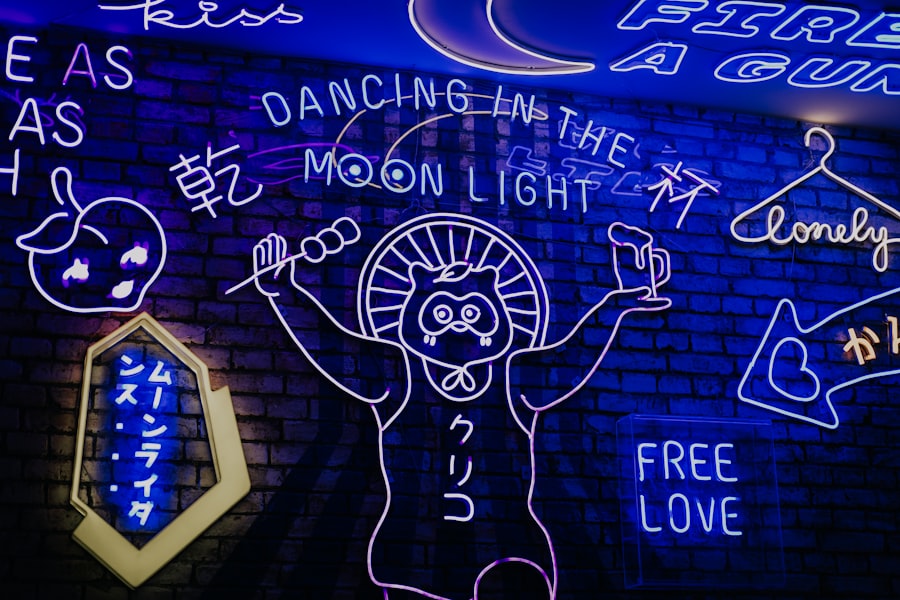
The streets of Fremont East are lined with a diverse range of bars, restaurants, art galleries, and live music venues, reflecting the varied interests of its patrons. Iconic establishments like The Downtown Cocktail Room and The Bunkhouse Saloon have become integral to the community, offering unique experiences that showcase local flavors and talent.
A Blend of Past and Present
Fremont East has successfully preserved its historical roots while incorporating modern elements into its identity. The juxtaposition of vintage neon signs alongside contemporary art installations creates a visually striking contrast that captures the essence of Las Vegas’s past and present.
A Cultural Epicenter
Events such as street fairs and food festivals further enhance the sense of community within Fremont East, fostering connections among residents and visitors alike. This dynamic atmosphere has positioned Fremont East as not only an entertainment district but also a cultural epicenter within Las Vegas.
Exploring Fremont East: Must-See Landmarks and Attractions
For those looking to explore Fremont East, there are numerous landmarks and attractions that showcase its unique character. One cannot miss the iconic Neon Boneyard, where vintage neon signs from defunct businesses are preserved as art pieces celebrating Las Vegas’s history. This outdoor museum offers guided tours that provide insight into the stories behind these luminous relics.
This vibrant space features boutique shops, eateries, and live entertainment options set against a backdrop of lush landscaping and art installations. Families can enjoy interactive play areas while adults can unwind at one of the many bars or restaurants offering local craft beers and artisanal cuisine.
Additionally, visitors should take time to explore The Mob Museum—officially known as The National Museum of Organized Crime and Law Enforcement—which provides an engaging look at Las Vegas’s storied past with organized crime. Through interactive exhibits and artifacts, guests can delve into how mobsters shaped not only Fremont East but also the broader narrative of Las Vegas.
Preserving the History: Efforts to Protect and Celebrate Fremont East’s Heritage
As Fremont East continues to thrive as a cultural hub, there are ongoing efforts to preserve its rich history for future generations. Local organizations and community groups are actively involved in initiatives aimed at protecting historic buildings and promoting awareness about the district’s heritage. These efforts include advocating for preservation ordinances that safeguard significant structures from demolition or neglect.
Moreover, educational programs are being developed to engage residents and visitors alike in understanding Fremont East’s historical significance. Walking tours led by knowledgeable guides offer insights into architectural styles prevalent during different eras while highlighting key events that shaped the district’s identity. By fostering appreciation for its past, these initiatives ensure that Fremont East remains not only a place of entertainment but also a living testament to Las Vegas’s diverse history.
In conclusion, Fremont East has undergone remarkable transformations throughout its history—from its humble beginnings in the 19th century to its current status as a vibrant cultural district. Each phase has contributed to shaping its unique identity while highlighting the importance of preserving heritage amidst change. As it continues to evolve, Fremont East stands as a symbol of resilience—a place where history meets modernity in an ever-changing landscape.
If you’re interested in learning more about the entertainment scene in Fremont East, you should check out the article on Insert Coins. This popular bar and arcade was a staple in the area and played a significant role in shaping the nightlife of Fremont East. The article provides insight into the history and impact of Insert Coins on the local community.
FAQs
What is the history of Fremont East?
Fremont East is a historic district in downtown Las Vegas, Nevada. It was originally part of the original townsite of Las Vegas and has a rich history dating back to the early 1900s.
When was Fremont East established?
Fremont East was established as a district in 2002, with the goal of revitalizing the area and preserving its historic character.
What are some notable landmarks in Fremont East?
Notable landmarks in Fremont East include the El Cortez Hotel and Casino, the Fremont Street Experience, and the Container Park.
How has Fremont East evolved over the years?
Fremont East has evolved from a neglected and rundown area to a vibrant and thriving district with a mix of restaurants, bars, shops, and entertainment venues.
What is the significance of Fremont East in Las Vegas history?
Fremont East is significant in Las Vegas history as it is one of the oldest and most historic parts of the city, and has played a key role in the development of downtown Las Vegas.